Mold Inspection in Jacksonville, FL: Humidity Survival Guide
Jacksonville's summer humidity hovers above 80 percent for months, which makes Northeast Florida one of the most aggressive environments for mold in the country. Here's what a mold inspection actually covers and when every homeowner should consider one.

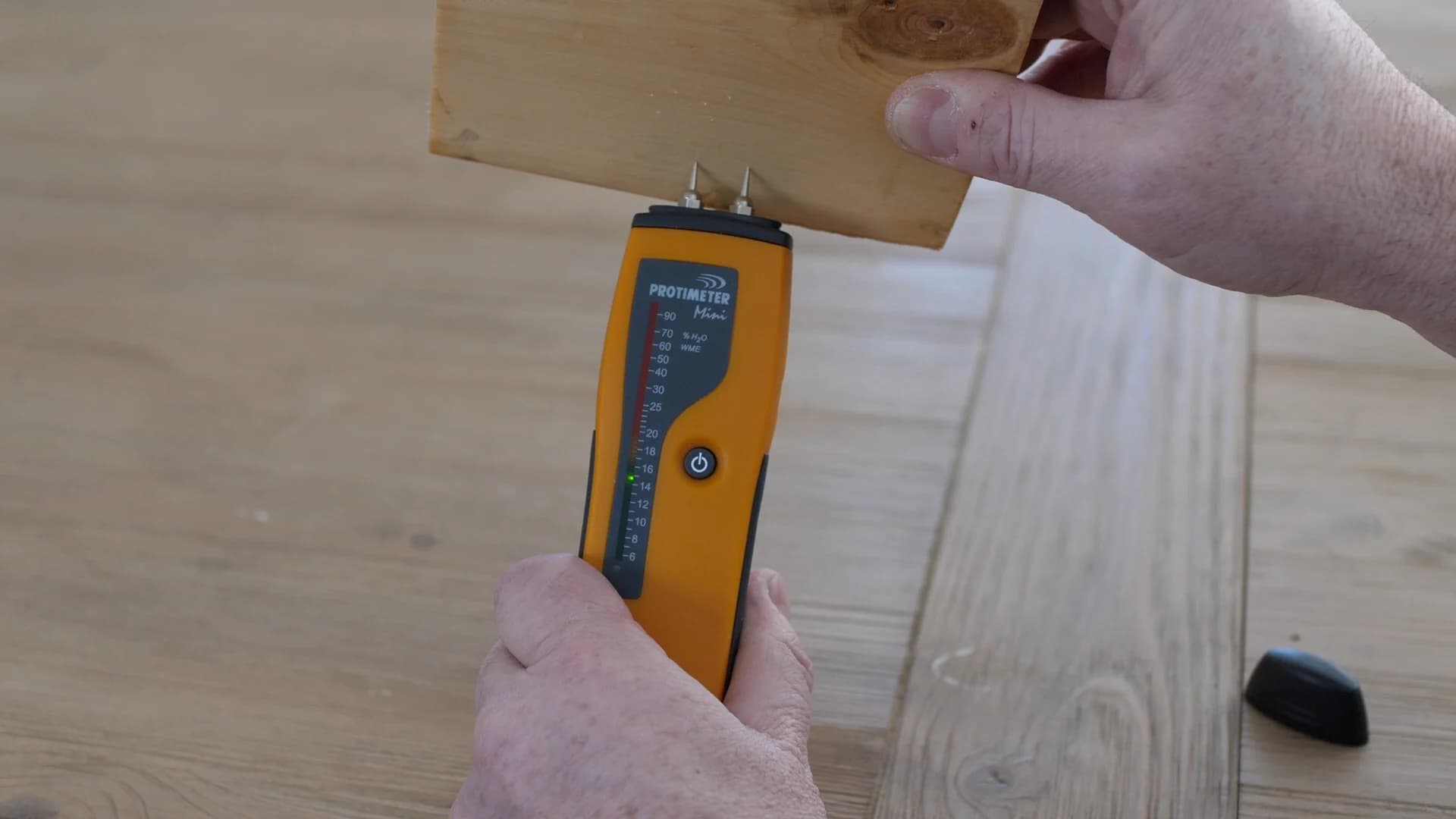
Quick Answer: A mold inspection in Jacksonville, FL is a visual and moisture-meter survey of attics, crawlspaces, bathrooms, HVAC systems, and any visible water-damaged areas to identify active moisture problems and mold growth conditions. With Jacksonville's summer humidity routinely above 80%, even brand-new homes can develop mold quickly. Blue Line Inspections LLC includes moisture and mold-condition observations in every full home inspection across Duval, St. Johns, Clay, and Nassau counties.
If you live anywhere from the Beaches to Mandarin to Orange Park, you already know what July feels like. A mold inspection in Jacksonville, FL in the middle of summer isn't paranoia — it's basic preventative homeownership. Northeast Florida's combination of long humid seasons, frequent rain, hurricane water intrusion, and tightly built modern houses creates almost ideal conditions for mold to take hold somewhere you're not looking.
I'm Jonathon Norman, the inspector behind Blue Line Inspections LLC, and below is exactly what I look at when moisture and mold conditions matter to a buyer, seller, or homeowner — and the specific Jacksonville-area patterns I see almost every summer.
Why Mold Is Worse in Jacksonville Than Most of the Country
Three factors make our region especially aggressive:
- Humidity. Average July relative humidity in Jacksonville sits in the high 70s to mid-80s. Mold needs moisture. Our air carries it for free.
- HVAC behavior. Florida HVAC systems run hard. Oversized or poorly maintained systems cool the air without dehumidifying it, leaving surface moisture all over the home.
- Building tightness and stack effect. Modern homes are sealed tight. Without proper ventilation, the moisture you generate cooking, showering, and breathing has nowhere to go.
Add the occasional roof leak, hurricane water intrusion, or undetected plumbing drip, and you have everything mold needs to thrive.
What a Jacksonville Mold Inspection Covers
A mold inspection isn't a lab test — it's a focused survey using moisture meters, thermal imaging when applicable, and an experienced eye for the specific patterns that point to active moisture problems.
Attics
The single most common place I find mold growth on Northeast Florida homes. I'm checking:
- Roof deck for staining and active staining
- Bathroom and kitchen exhaust vents — are they actually venting outside?
- Ridge and soffit ventilation balance
- Insulation depth and condition
- Daylight or pinholes from above
HVAC and Air Handler
Florida HVAC systems are mold's favorite real estate. I look at:
- The air handler closet for moisture, staining, and biological growth on coils
- The drain pan and primary/secondary drain lines (clogged drains are the #1 mold cause I see)
- Return air plenums in mechanical closets — often unsealed and pulling humid air
- Duct boots, especially in attics, for sweating and surface mold
Bathrooms, Kitchens, and Laundry
- Around toilets, under sinks, behind washing machines
- Tile grout, caulking, and shower pan integrity
- Exhaust fans — are they working, and where do they vent?
Crawl Spaces (Where Present)
Northeast Florida has fewer crawlspace homes than some markets, but in the older Riverside, Avondale, Springfield, and Murray Hill neighborhoods I see them often. A wet crawlspace will mold the framing above it surprisingly quickly.
Visible Water-Damaged Areas
Stained ceilings, soft baseboards, peeling paint, swollen door frames. Anywhere I find visible damage I'm checking moisture content with a meter and looking for active versus historical issues.
The Patterns I See Every Summer in Jacksonville
A few recurring scenarios from my mold-related inspections across the metro:
- Bathroom exhaust fans terminating into the attic — moisture dumped directly above the ceiling drywall
- Disconnected dryer vents in interior closets pumping wet air into framing
- HVAC condensate drain lines clogged — water pooling in the air handler closet
- Improperly sized HVAC systems — short cycling, no real dehumidification
- Soft-spot floors near sliding glass doors at the beaches — windborne rain finds every opening
- Hurricane-era leaks — Matthew, Irma, Ian. Many homes were patched on the surface and never fully dried out
When to Schedule a Mold Inspection
- Before buying any home in Jacksonville built before modern code, or any home where the attic and HVAC weren't visibly evaluated
- After any significant water event — burst pipe, hurricane intrusion, slab leak
- When you see, smell, or feel something off — musty closets, allergy symptoms that worsen indoors, recurring respiratory issues
- Before a real estate transaction closes if the listing agent disclosed past water damage
- As a periodic check for older Jacksonville homes, especially those with original AC systems or aged roofs
How Much Does a Mold Inspection Cost in Jacksonville?
A standalone visual mold inspection typically runs in the range of a focused limited inspection. If you bundle it with a full home inspection or 4-point during a real estate transaction, the marginal cost is small. For lab sampling — air or surface — pricing scales with the number of samples sent off. Call or text 904-576-9338 for a specific quote on your home.
Related Reading
- What to Expect From a Jacksonville Home Inspection: A First-Time Buyer's Guide
- Florida 4-Point & Wind Mitigation Inspections: How to Save on Homeowners Insurance in Jacksonville
- New Construction in Jacksonville? You Still Need a Home Inspection
- Buying a Home in Jacksonville's Hot Market? Don't Waive the Inspection
- Pre-Listing Home Inspection in Jacksonville: Sellers Guide
Frequently Asked Questions
Will a Jacksonville home inspection detect mold? A standard home inspection identifies visible mold, moisture damage, and conditions that promote mold growth. It is not a lab-based mold test, but it usually identifies the actual problem — the source of moisture — which is more valuable than a species ID.
Is mold testing always necessary? No. If the conditions causing moisture are clear (clogged condensate drain, ventilated bathroom fan into the attic), fixing the source ends the issue. Testing makes more sense when the source is unclear, when health symptoms are present, or when documentation is needed for a real estate negotiation.
How fast can mold grow in Jacksonville's humidity? On a wet surface in a Florida summer, visible growth can begin within 24 to 48 hours. That's why post-leak drying matters more here than almost anywhere in the country.
Do you serve Mandarin, Riverside, the Beaches, and St. Augustine? Yes. Blue Line Inspections LLC covers the full Jacksonville metro and Northeast Florida — Duval, St. Johns, Clay, Nassau, Baker, Bradford, Union, Columbia, Putnam, and Alachua counties.
Schedule a Jacksonville Mold-Aware Inspection
Blue Line Inspections LLC includes a thorough moisture and mold-condition evaluation in every home inspection. Call or text 904-576-9338 to get on the schedule before the next round of summer storms.
Jacksonville trusted. Northeast Florida proven.
Your home deserves local expertise.
InterNACHI Certified Inspector serving Jacksonville and the surrounding Northeast Florida counties.