Hurricane Prep for Jacksonville Homes: A Pre-Season Checklist
Hurricane season officially starts June 1, and Jacksonville's coastal exposure means every homeowner from Atlantic Beach to Mandarin should know what's vulnerable before the first storm forms in the Gulf or Atlantic. Here's a pre-season checklist and where wind mitigation and four-point inspections fit in.

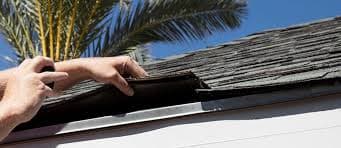
Quick Answer: Hurricane prep for a Jacksonville home starts with a focused walk-through of your roof, attic, windows, doors, drainage, and structural connections to find weaknesses before hurricane season, then getting the fixes done by the right contractors. On the insurance side, Blue Line Inspections LLC performs wind mitigation and four-point inspections across Duval, St. Johns, Clay, and Nassau counties, which document many of the same features.
If you own a home anywhere from Riverside to Ponte Vedra Beach, walking your own home with a hurricane prep checklist in May is one of the smartest moves you'll make all year. The Atlantic hurricane season runs June 1 through November 30, peaks in mid-September, and Northeast Florida has been hit or grazed by enough named storms in the last decade — Matthew, Irma, Ian, Idalia — that "it won't happen here" stopped being a reasonable assumption a long time ago.
I'm Jonathon Norman, the inspector behind Blue Line Inspections LLC, and below is exactly what to check before the season, what I find most often on Jacksonville homes, and why fixing these issues in May is dramatically cheaper than fixing them in September.
What a Pre-Hurricane Check Should Cover
A hurricane prep check is more focused than a full real-estate inspection. It looks specifically at the parts of your home that wind, water, and flying debris attack first.
Roof and Roof Penetrations
The roof is the single most expensive system on a Jacksonville home and the one storms hit hardest. Check, or have a roofer check:
- Shingle condition and age — curling, lifting, or granule loss is a wind-event waiting to happen
- Flashing at chimneys, plumbing vents, skylights, and roof-to-wall transitions
- Ridge caps and hip caps — often the first thing to fail in a 70 mph gust
- Soffit and fascia — sagging soffit lets wind into the attic, which is how roofs leave houses
- Gutter attachment — loose gutters become projectiles
Windows, Doors, and Garage
Opening protection is one of the highest-impact pieces of a Florida home's wind resistance. Look at:
- Whether windows are impact-rated or have working code-approved shutters
- Door frames, deadbolts, and weatherstripping at every exterior door
- Garage door bracing — a blown garage door pressurizes the home and can lift the roof off
- Sliding glass door tracks, latches, and seals
Drainage, Grading, and Trees
Most Jacksonville flood and water-damage claims after a storm are not from storm surge — they're from poor drainage and uncleared debris. Look at:
- Slope of the soil away from the foundation (you want about 6 inches of fall in the first 10 feet)
- Downspout discharge — at least 3 to 5 feet from the foundation, ideally daylighted
- Yard drains and French drains for clogs
- Tree limbs over the roof, and trees too close to the structure
Attic, Roof Deck, and Roof-to-Wall Connection
The attic is where a wind mitigation inspection verifies your roof-to-wall connection for the insurance company. Toe-nails, clips, single wraps, double wraps: the inspector confirms what's actually there and notes any compromised connections, daylight, or signs of past leaks.
Mechanical and Electrical Storm Vulnerabilities
- Outdoor HVAC condenser secured to a hurricane pad with proper tie-downs
- Electrical panel grounding and surge-protection presence
- Generator transfer switch (if applicable) and fuel readiness
- Sump pump operation if you have one
What I Actually Find on Jacksonville Homes
A short list of recurring issues from recent inspections I've done across Duval, Clay, and St. Johns:
- Roof flashing lifted at the chimney with no sealant left
- Soffit panels barely clipped in — pull them with two fingers
- Garage doors with no bracing on a 16-foot-wide opening
- Trees within 15 feet of the structure that have not been thinned in years
- Disconnected dryer vents pumping moist air into the attic year-round
- Outdoor condensers sitting on cracked, unanchored pads
Every one of these is a small, inexpensive fix in May. After a hurricane, the same issues can turn into major structural and water damage.
When to Start
The sweet spot is early May through mid-June. Booking earlier gives you time to:
- Walk the house and list what needs work
- Get quotes from a roofer, tree service, and handyman
- Order any parts (impact glass, shutters, garage bracing) before the supply chain tightens
- Have everything corrected before the first named storm
Once a storm enters the cone of uncertainty, contractors stop returning calls and home improvement stores empty out. Inspect early, fix early.
Pair Your Prep With a Wind Mitigation Inspection
If you've never had a wind mitigation inspection done, book one before the season opens. It documents your home's storm-resistant features for your insurance carrier and almost always pays for itself in insurance savings, and older homes usually need a four-point as well. Call or text 904-576-9338 for a quote on your specific address.
Related Reading
- What to Expect From a Jacksonville Home Inspection: A First-Time Buyer's Guide
- Florida 4-Point & Wind Mitigation Inspections: How to Save on Homeowners Insurance in Jacksonville
- New Construction in Jacksonville? You Still Need a Home Inspection
- Buying a Home in Jacksonville's Hot Market? Don't Waive the Inspection
- Roof Storm Damage in Jacksonville: What Homeowners Should Know
Frequently Asked Questions
When should I start hurricane prep on my Jacksonville home? Early May through mid-June is ideal. That gives you time to address findings before the first named storm forms and before contractors get booked solid.
Is hurricane prep the same as a wind mitigation inspection? No. A wind mitigation inspection documents storm-resistant features for your insurance carrier on the OIR-B1-1802 form. A hurricane prep check identifies physical weaknesses you should fix. They're complementary, and the wind mitigation report is a good starting point for your prep list.
Does my homeowners insurance require hurricane prep? Most carriers don't require a prep check, but they do reward homes with documented storm-resistant features through the wind mitigation discount. Identifying and fixing weaknesses now can also reduce the chance of a denied claim later.
Do you serve the Jacksonville beaches and St. Johns County? Yes. Blue Line Inspections LLC covers Duval, St. Johns, Clay, Nassau, Baker, Bradford, Union, Columbia, Putnam, and Alachua counties — including Jacksonville Beach, Atlantic Beach, Neptune Beach, Ponte Vedra, St. Augustine, and Fernandina Beach.
Schedule Before Hurricane Season Hits
Blue Line Inspections LLC performs wind mitigation, 4-point, and full home inspections throughout Northeast Florida. Call or text 904-576-9338 and I'll get you on the schedule before the season opens.
Jacksonville trusted. Northeast Florida proven.
Your home deserves local expertise.
InterNACHI Certified Inspector serving Jacksonville and the surrounding Northeast Florida counties.