Roof Storm Damage in Jacksonville: What Homeowners Should Know
A summer thunderstorm in Northeast Florida can do roof damage you won't see from the street. Here's how storm damage hides, the warning signs to watch for, how insurers look at claims, and where a home inspection, four-point, and licensed roofer each fit in.

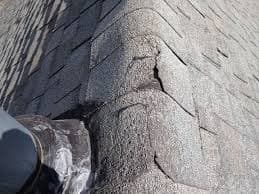
Quick Answer: Storm damage to a Jacksonville roof often isn't visible from the ground: broken shingle seals, bruised shingles, lifted ridge caps, and shifted flashing can all lead to leaks months later. After a storm, check for warning signs, document what you see, call your insurance carrier, and have a licensed roofing contractor evaluate and repair the roof. The roof is also part of every home inspection and four-point inspection Blue Line Inspections LLC performs across Duval, St. Johns, Clay, and Nassau counties.
Jacksonville's summer is a long run of afternoon thunderstorms, occasional tropical systems, and straight-line wind events that can lift ridge caps and loosen shingles across Duval and St. Johns counties without anyone noticing for months. Knowing what storm damage looks like, and who to call, saves a lot of trouble later.
I'm Jonathon Norman, owner and inspector at Blue Line Inspections LLC. Below is how storm damage hides, the warning signs to watch for, what carriers actually pay for, and how to handle it.
Why Storm Damage in Jacksonville Often Goes Unnoticed
Most roof damage doesn't look dramatic from the yard. The shingles look fine and there's no visible hole. But:
- Wind uplift can break the seal between shingle layers without blowing them off. The shingle still sits in place until the next strong gust.
- Hail bruising crushes asphalt granules and exposes the mat underneath. The roof still sheds water at first, but the sun breaks down the damaged spot quickly.
- Lifted ridge caps along the peak are often invisible from the street.
- Displaced flashing at chimneys, vents, and roof-to-wall junctions opens slow leaks that show up months later as ceiling stains.
- Soffit and fascia damage lets wind into the attic, which makes the roof more vulnerable in the next storm.
Warning Signs to Look For After a Storm
You don't need to climb onto the roof (and after a storm, you shouldn't). From the ground and from inside, look for:
- Shingles, shingle pieces, or granules in the yard and gutters
- Lifted, creased, or missing shingles and ridge caps
- Bent or loose gutters, drip edge, or flashing
- Sagging or missing soffit panels
- New ceiling stains, bubbling paint, or a musty smell upstairs
- Daylight, damp insulation, or wet wood in the attic
If you see any of these, take dated photos and contact your carrier and a licensed roofer.
What a Roofer's Storm Evaluation Usually Covers
A licensed roofing contractor can safely get on the roof and check:
- Shingle condition slope by slope, with photos of lifted, cracked, missing, or hail-bruised shingles
- Ridge caps, valleys, and roof-to-wall transitions
- Flashing at chimneys, plumbing vents, exhaust vents, and skylights
- Vent boots, which are often the first thing to fail
- Drip edge and gutter attachment
- Decking from the attic: staining, soft spots, and daylight
The roofer can then tell you what needs repair, whether replacement makes more sense, and what that work involves.
What Insurance Carriers Actually Pay For
This is where homeowners get burned. Carriers distinguish between:
- Functional damage: damage that affects the roof's ability to keep water out. This is what they pay for.
- Cosmetic damage: damage that's visible but doesn't affect function. Many policies exclude this.
A few kinds of claims that often get denied:
- "Old roof" claims. An aging roof near the end of its life won't be replaced by insurance without proof of new storm damage.
- "Maintenance" claims. Pre-existing issues like worn flashing or clogged gutters.
- "Cosmetic only" claims. Granule loss without bruising, scratches, or minor color changes.
When a roof is truly storm-damaged, clear dated photos and a roofer's documentation, reviewed by your carrier's adjuster or a public adjuster, are what get the claim paid.
What a Home Inspection and Four-Point Cover on the Roof
The roof is part of every full home inspection, which covers the readily accessible and visually observable roof, attic, structure, and the rest of the house. A four-point inspection documents the roof's age, condition, and remaining service life for your insurance carrier, along with the electrical, plumbing, and HVAC systems. A wind mitigation inspection documents the roof covering, roof deck attachment, roof-to-wall connections, roof geometry, and secondary water resistance on the OIR-B1-1802 form for insurance discounts.
Those inspections are the right tools when you're buying a home or need insurance paperwork. For a storm damage claim on a home you already own, start with your insurance carrier and a licensed roofing contractor.
When to Get the Roof Checked
- Soon after any named storm or significant wind event, even one that passes offshore
- After hail. Even small hail can bruise asphalt shingles.
- Before listing a home, since the buyer's inspector will look closely at the roof
- As the roof ages, because Florida sun and storms shorten roof life
- Before insurance renewal on an older home, when your carrier may ask for a four-point
- Whenever a ceiling stain appears, since there's no such thing as a minor ceiling stain under a Florida roof
Related Reading
- Florida 4-Point & Wind Mitigation Inspections: How to Save on Homeowners Insurance in Jacksonville
- Hurricane Prep for Jacksonville Homes: A Pre-Season Checklist
- Pre-Listing Home Inspection in Jacksonville: Sellers Guide
- Mold and Moisture in Jacksonville Homes: A Humidity Survival Guide
- What to Expect From a Jacksonville Home Inspection: A First-Time Buyer's Guide
Frequently Asked Questions
How soon after a storm should I have my roof looked at? As soon as it's safe. Most policies require prompt notice of damage, and leaks that keep going can affect what the carrier covers.
Who should I call first after storm damage? Your insurance carrier, to open a claim, and a licensed roofing contractor, to evaluate the roof and stop any active leaks. Take dated photos before anything is repaired.
What's the difference between a roofer's evaluation, a four-point, and a wind mitigation inspection? A roofer evaluates damage and recommends repairs. A four-point documents the roof's age and condition (plus electrical, plumbing, and HVAC) for insurance eligibility. A wind mitigation inspection documents storm-resistant features on the OIR-B1-1802 form for premium discounts.
Do you serve the Beaches and Ponte Vedra? Yes. Atlantic Beach, Neptune Beach, Jacksonville Beach, Ponte Vedra, and the surrounding St. Johns and Duval communities. Blue Line Inspections LLC covers the full Jacksonville metro and Northeast Florida.
Schedule Your Inspection
Buying a home or renewing insurance? Blue Line Inspections LLC performs four-point, wind mitigation, and full home inspections throughout Northeast Florida, and each one looks closely at the roof. Call or text 904-576-9338 to get on the schedule.
Jacksonville trusted. Northeast Florida proven.
Your home deserves local expertise.
InterNACHI Certified Inspector serving Jacksonville and the surrounding Northeast Florida counties.