Termite & WDO Inspection in Jacksonville, FL: Cost Guide
Northeast Florida is one of the most active termite regions in the country, and Formosan and subterranean termites do most of their damage long before any homeowner notices. Here's how a WDO (Wood-Destroying Organism) inspection works and why it matters in any Jacksonville real estate transaction.

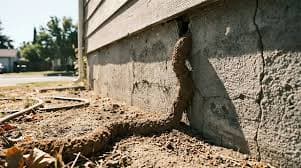
Quick Answer: A termite or WDO inspection in Jacksonville, FL is a focused inspection for wood-destroying organisms — termites, wood-decaying fungi, wood-boring beetles, and carpenter ants — performed on the standard Florida WDO form (HUD-NPMA-99-B) used for real estate transactions. VA, FHA, and many conventional loans in Florida require it. Cost typically runs in line with other limited inspections; Blue Line Inspections LLC coordinates WDO services alongside full home inspections across Duval, St. Johns, Clay, and Nassau counties.
If you're buying or selling a home in Jacksonville, a termite and WDO inspection in Jacksonville, FL is one of the most important pieces of the inspection puzzle — and one of the most commonly underestimated. Northeast Florida sits in the heaviest termite pressure zone in the United States. Subterranean and Formosan termites are active here year-round, and most homeowners don't see the damage until it has been progressing for months or years.
I'm Jonathon Norman, owner and inspector at Blue Line Inspections LLC. Below is exactly what a WDO inspection covers, what it costs in our market, when it's required, and what to do if something turns up.
What "WDO" Actually Means
WDO stands for Wood-Destroying Organism. In Florida, that includes:
- Subterranean termites (most common — including Formosan termites, which are aggressive and harder to control)
- Drywood termites (don't need soil contact — they live entirely inside wood)
- Wood-decaying fungi (rot)
- Wood-boring beetles
- Carpenter ants (technically WDOs in some Florida WDO reports)
A WDO inspection is documented on the NPMA-99-B form, which is the standard Florida real estate WDO inspection form. It includes a diagram of the home noting any visible activity, evidence of past activity, and conditions conducive to infestation.
Why It's a Big Deal in Jacksonville
A few reasons termites take a heavier toll in Northeast Florida than in most of the country:
- Climate. Subterranean termites need warmth and moisture. We have both, year-round.
- Tree cover and soil. Mature oaks, pines, and palms throughout Mandarin, Avondale, San Marco, Ortega, Riverside, and the Beaches mean lots of wood-to-ground contact and shaded soil.
- Construction style. Slab-on-grade construction common across the metro means termites can enter through expansion joints and bath traps without ever showing visible evidence outside.
- Older housing stock. Springfield, Murray Hill, Riverside, San Marco — beautiful older neighborhoods with original wood structural members that termites have had decades to work on.
What a WDO Inspector Actually Looks At
A WDO inspection is a focused visual inspection of all accessible structural wood and conditions conducive to WDOs. That includes:
- Foundation and slab perimeter for mud tubes
- Sill plates, band joists, and bottom-plate wood in crawlspaces and at exposed slab transitions
- Bath traps (the access points behind tubs/showers) — termites love them
- Window and door frames for fungal growth and drywood termite frass
- Garage — slab edges, door frames, and wall-to-slab interfaces
- Attic for evidence of carpenter ants, drywood termites, and active or historical leaks creating fungal conditions
- Eaves, fascia, and soffit for moisture damage and wood-decay fungi
- Wood porches, decks, and fences in contact with the home
- Visible tree-to-house contact — branches, mulch piled against siding, etc.
Common Findings on Jacksonville Homes
A short sample from the WDO portion of recent Jacksonville inspections:
- Mud tubes hidden behind a hose bib or AC condenser pad
- Active subterranean termites at a bath trap, feeding undetected on the framing
- Wood-decay fungus on fascia and soffit at every roof valley due to chronic gutter overflow
- Drywood termite kick-out holes in attic framing
- Carpenter ant trails into siding from a tree branch touching the roof
- Untreated wood mulch piled directly against stucco — a termite freeway
When Is a WDO Inspection Required?
Required:
- VA loans — almost always require a current WDO report in Florida
- FHA loans — required when conditions warrant or HUD specifies
- USDA loans — typically required
- Many conventional lenders — increasingly request WDOs in Florida specifically because of the regional risk
Strongly recommended:
- Any Jacksonville real estate transaction, regardless of loan type
- Periodic re-inspection if you have a termite bond — bonds typically require annual or biennial re-inspection
- Before any major renovation that opens walls, especially in older homes
How Much Does a Termite/WDO Inspection Cost in Jacksonville?
WDO inspections are typically less expensive than full home inspections. Pricing varies with home size and accessibility — call or text 904-576-9338 for a quote on a specific property. If you're already booking a home inspection for a purchase, we coordinate the WDO at the same time so you have one schedule and one set of access arrangements.
What to Do If Termites or WDOs Are Found
Most active findings are treatable:
- Subterranean termites — typically treated with a liquid termiticide barrier and/or a baiting system
- Drywood termites — local treatment for limited infestation, fumigation for whole-house
- Fungi/rot — treat moisture source, replace damaged wood
- Carpenter ants — treat colony, remove conducive conditions
For a real estate transaction, a treatment and bond from a licensed pest control company is generally what the lender accepts. You'll want quotes in hand before negotiating with the seller, since "treatment with bond" is a different conversation than "tear out and rebuild a section of framing."
Related Reading
- What to Expect From a Jacksonville Home Inspection: A First-Time Buyer's Guide
- Florida 4-Point & Wind Mitigation Inspections: How to Save on Homeowners Insurance in Jacksonville
- New Construction in Jacksonville? You Still Need a Home Inspection
- Buying a Home in Jacksonville's Hot Market? Don't Waive the Inspection
- Septic & Well Inspections in Northeast Florida
Frequently Asked Questions
Is a WDO inspection the same as a home inspection? No. A standard home inspection notes visible signs of pest activity but is not a WDO report. The WDO report is on the standard Florida NPMA-99-B form and is what lenders and bond providers require.
Are termites really year-round in Jacksonville? Yes. While swarming is most visible in spring, subterranean termites in Northeast Florida feed year-round. The notion that termites "go dormant" in winter doesn't apply to our climate.
Do new construction homes in Jacksonville need a WDO inspection? Yes — surprisingly, even new construction can have conditions conducive to WDOs (mulch piled against the slab, gaps in expansion joints, untreated framing exposed to moisture during construction). VA buyers especially need a WDO regardless of home age.
What does a termite bond do? A termite bond is a contract from a pest control company that provides ongoing inspection and either retreatment or repair (depending on the bond type) if termites are found. They're commonly required by lenders when a home has had previous termite activity.
Schedule Your Jacksonville Termite & WDO Inspection
Blue Line Inspections LLC coordinates WDO inspections alongside full home inspections, 4-point, and wind mitigation throughout Northeast Florida. Call or text 904-576-9338 to get on the schedule.
Jacksonville trusted. Northeast Florida proven.
Your home deserves local expertise.
InterNACHI Certified Inspector serving Jacksonville and the surrounding Northeast Florida counties.